
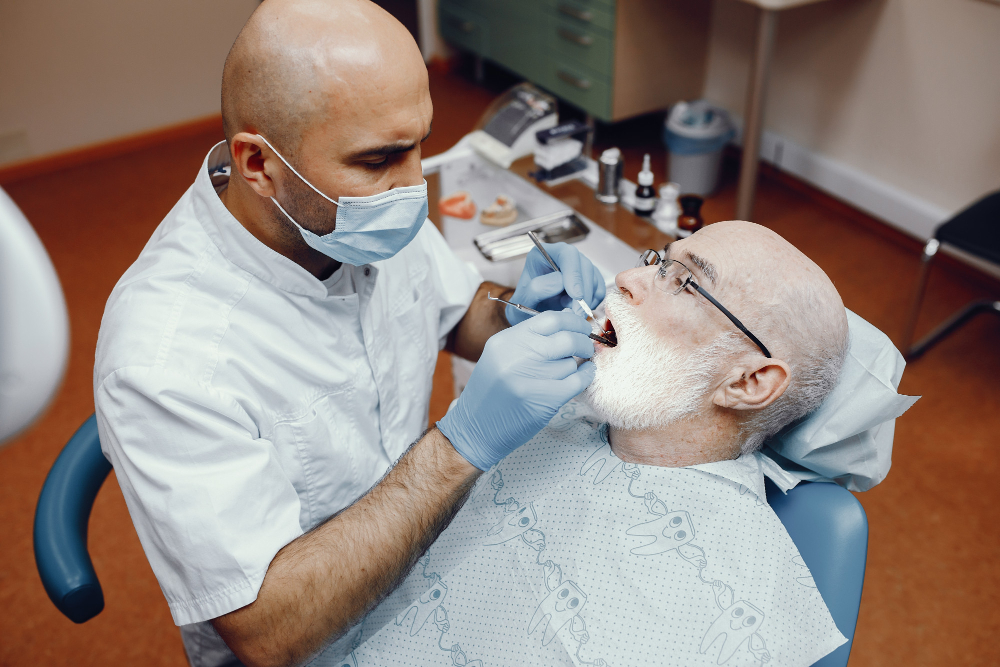
What is Full Mouth Rehabilitation with Dental Implants?
Full mouth rehabilitation with dental implants is a way to restore all your teeth. It uses dental implants to support new teeth. This process is also called dental implant restoration or a complete dental makeover. Often, people who have lost most or all of their teeth choose this option. Implant-supported dentures are another name for this treatment. With this method, you can get a strong, natural-looking smile.
Who Needs Full Mouth Rehabilitation?
Not everyone needs full mouth rehabilitation. However, some people may benefit more than others. For example, you may need this treatment if you:
Sometimes, people with jawbone loss may also need bone grafting before getting implants. Your dentist will check your mouth and health to see if you are a good candidate.
Benefits of Dental Implants for Full Mouth Restoration
Dental implants offer many benefits for full mouth rehabilitation. First, they look and feel like real teeth. Second, they help you chew and speak better. In addition, they last longer than regular dentures. Here are some key benefits:
According to the American Dental Association, dental implants have a high success rate and can last many years with proper care.
The Step-by-Step Process
Full mouth rehabilitation with dental implants involves several steps. Although the process may take a few months, the results are worth it. Here is what you can expect:
Throughout the process, your dentist will guide you and answer your questions.
Risks and Considerations
Like any surgery, dental implants have some risks. However, most people have a smooth recovery. Common risks include:
To reduce risks, choose a skilled dentist or prosthodontist. Also, follow all aftercare instructions. The CDC and dental journals recommend regular check-ups to catch any problems early.
Recovery and Aftercare Tips
After full mouth rehabilitation, proper care is important. This helps your new teeth last longer. Here are some tips:
With good care, your dental implants can last many years. Most people return to normal activities within a few days after each step.
Prevention and Long-Term Oral Health
Even after full mouth rehabilitation, you need to protect your new smile. For best results, keep these habits:
In summary, caring for your implants is much like caring for natural teeth. Good habits help prevent problems and keep your smile bright.
If you are thinking about full mouth rehabilitation with dental implants, talk to a qualified dentist or prosthodontist. They can help you decide if this treatment is right for you and guide you every step of the way.