
Introduction
Dental crowns and bridges are popular ways to restore your smile. Many people lose teeth or have damaged teeth over time. Because of this, dental crowns and bridges can help bring back your confidence. These treatments not only improve how your teeth look but also make chewing and speaking easier. If you are looking for a smile makeover or tooth restoration, dental crowns and bridges may be the answer. In this blog, you will learn what they are, why you might need them, and how they can help you.
What Are Dental Crowns and Bridges?
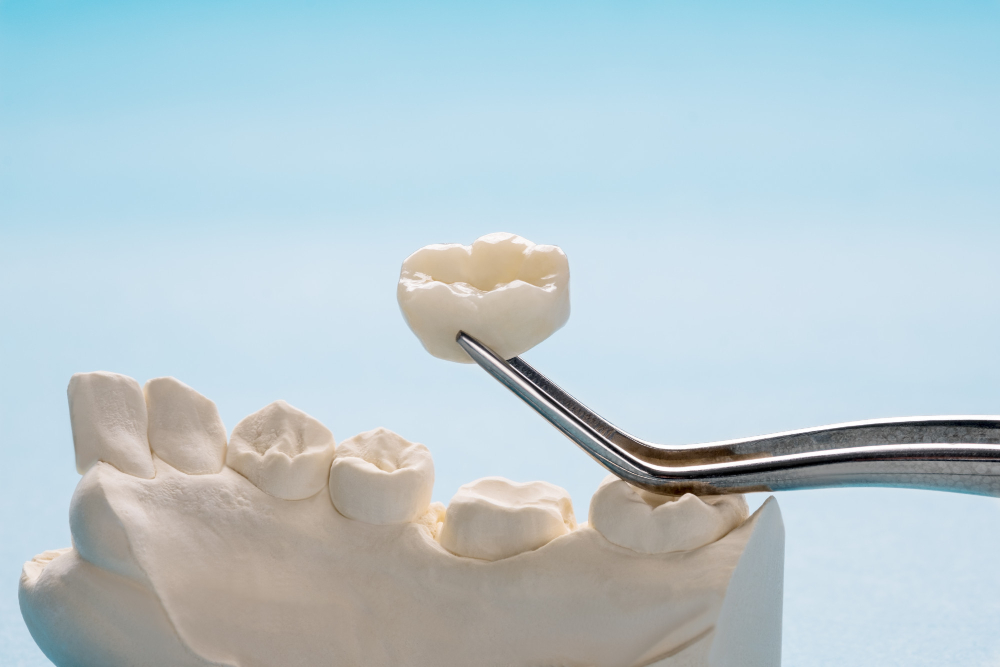
Dental crowns are caps placed over a damaged or weak tooth. They cover the whole tooth and protect it. Crowns can be made from metal, porcelain, or ceramic. On the other hand, dental bridges fill gaps left by missing teeth. A bridge uses two or more crowns on the teeth next to the gap. Then, it holds a false tooth in place. Both crowns and bridges are fixed in your mouth, so you do not remove them like dentures.
Common Reasons for Needing Crowns or Bridges
There are many reasons why a dentist may suggest crowns or bridges. For example, you may need them if you have:
Because crowns and bridges restore both function and appearance, they are a common part of dental care.
The Procedure: What to Expect
First, your dentist will examine your mouth and take X-rays. Next, they will shape the tooth or teeth that need crowns or bridges. Then, they will take an impression to make a custom fit. While you wait for the final crown or bridge, you may get a temporary one. Once the permanent piece is ready, your dentist will check the fit and color. Finally, they will cement it in place. Most people find the process easy and comfortable.
Benefits of Dental Crowns and Bridges
There are many benefits to choosing dental crowns and bridges. For instance, they can:
Because they look and feel like natural teeth, most people are happy with the results.
Aftercare and Maintenance Tips
Proper care helps your crowns and bridges last longer. Here are some tips:
With good dental care, your crowns and bridges can stay strong for many years.
Potential Risks and How to Prevent Them
Although dental crowns and bridges are safe, some risks exist. For example, you may feel tooth sensitivity after the procedure. Sometimes, the crown or bridge may become loose or fall off. In rare cases, decay can form under a crown. To prevent these problems, always follow your dentist’s advice. Also, avoid biting hard objects and keep your mouth clean. If you notice pain or a loose crown, contact your dentist right away.
Frequently Asked Questions
Conclusion
Dental crowns and bridges are trusted ways to restore your smile and improve dental health. Because they look and feel natural, they can boost your confidence and help you enjoy life. If you think you may need a crown or bridge, consult a qualified dentist to find out if dental crowns or bridges are right for you.