
Introduction
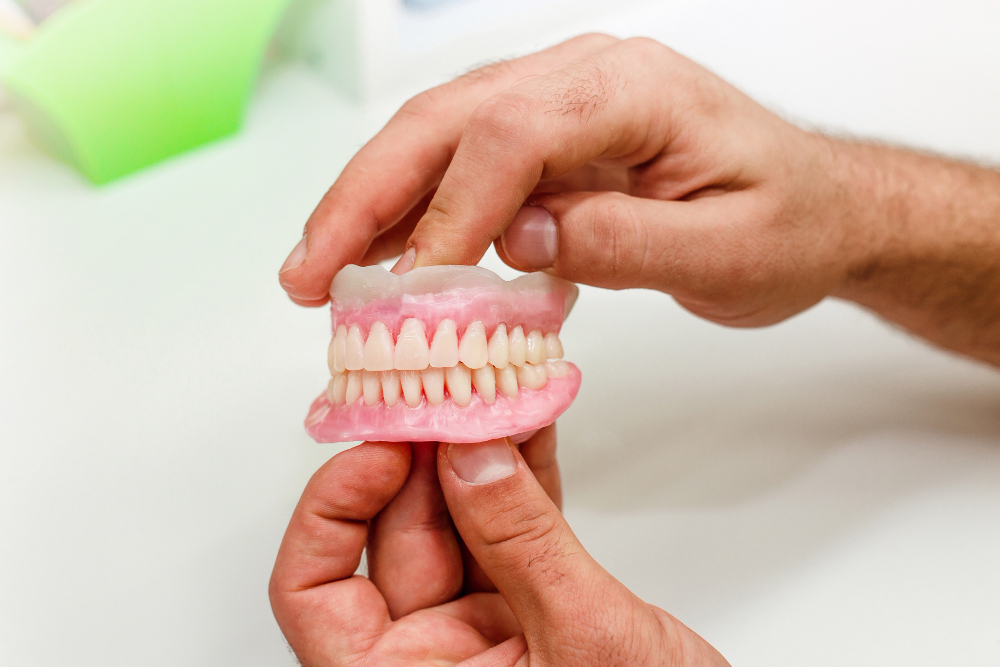
Complete dentures are removable dental devices that replace all missing teeth in the upper or lower jaw. Many people lose teeth due to age, gum disease, or injury. When this happens, complete dentures help restore the look and function of your mouth. As a result, you can eat, speak, and smile with confidence. Dentists often recommend complete dentures when no natural teeth remain in the jaw. According to the World Health Organization (WHO), good oral health is important for overall well-being. Complete dentures play a key role in this process.
Benefits of Complete Dentures
Complete dentures offer many advantages for people who have lost all their teeth. For example, they help you chew food better and speak more clearly. In addition, they support your facial muscles and improve your appearance. Here are some key benefits:
Because of these benefits, many people choose complete dentures to improve their quality of life.
Who Needs Complete Dentures?
Not everyone needs complete dentures. However, they are ideal for people who have lost all their teeth in one or both jaws. Some common reasons for tooth loss include severe gum disease, tooth decay, or injury. If you have trouble eating or speaking due to missing teeth, complete dentures may help. Dentists will check your mouth and gums before suggesting this option. Sometimes, people with a few remaining teeth may need extractions before getting full dentures. Either way, your dentist will guide you through the best choice for your needs.
The Procedure for Getting Complete Dentures
Getting complete dentures involves several steps. First, your dentist will examine your mouth and take measurements. Next, they may remove any remaining teeth if needed. After your gums heal, the dentist will take impressions to create a custom fit. Here is a simple outline of the full dentures procedure:
During each step, your dentist will explain what to expect. Most people adjust to their new dentures within a few weeks. Still, regular check-ups help ensure a comfortable fit.
Tips for Caring for Complete Dentures
Proper care keeps your complete dentures clean and your mouth healthy. For best results, follow these denture care tips every day:
Because dentures can stain or collect bacteria, cleaning them is very important. If you notice any discomfort, contact your dentist for advice.
Common Questions and Concerns
Many people have questions about complete dentures. Below are some common concerns and answers:
If you have more questions, your dental specialist can provide answers based on your needs.
Prevention and Oral Health Maintenance
Even with complete dentures, you should care for your mouth. For example, clean your gums and tongue daily to prevent infections. In addition, visit your dentist for regular check-ups. Here are some simple tips:
Because oral health affects your whole body, good habits are important. With proper care, your dentures will last longer and feel more comfortable.
For personalized advice on complete dentures, consult a dental specialist. They can help you choose the best option for your smile and health.