
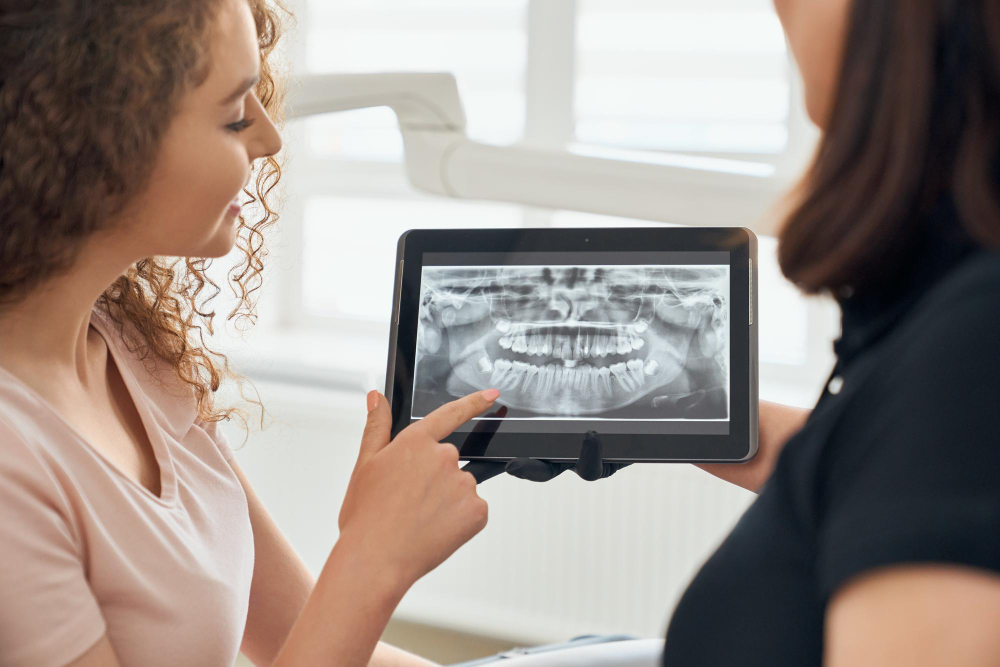
What Are Dental X-Rays?
Dental X-rays are special pictures of your teeth and mouth. They help dentists see things that are not visible during a regular exam. For example, dental X-rays can show cavities, bone loss, or infections. The process uses a small amount of radiation to create these images. Because the pictures are detailed, dentists can spot problems early. This means treatment can start sooner.
Why Do Dentists Use Dental X-Rays?
Often, dentists use dental X-rays for several important reasons. First, they help find hidden tooth decay. In addition, X-rays can show infections or abscesses. Sometimes, they reveal problems with jaw bones or tooth roots. Dentists also use them to plan treatments, such as braces or implants. Furthermore, dental X-rays help monitor changes in your mouth over time. Here are some key reasons dentists rely on dental X-rays:
Are Dental X-Rays Safe?
Many people ask, “Are dental X-rays safe?” The answer is yes, dental X-rays are safe for most people. The amount of radiation is very low. In fact, the World Health Organization (WHO) and the Centers for Disease Control and Prevention (CDC) agree that dental X-ray safety is high when proper steps are followed. Modern dental offices use digital X-rays, which need even less radiation than older methods. Because of this, the risks are very small. However, dentists only take X-rays when needed. They also use lead aprons and shields to protect you. For children and pregnant women, dentists take extra care to keep exposure as low as possible.
Types of Dental X-Rays
There are several types of dental X-rays. Each type helps your dentist see different parts of your mouth. For example:
How Often Should You Get Dental X-Rays?
How often you need dental X-rays depends on your age, health, and dental history. For example, children may need them more often because their teeth and jaws are still growing. Adults with healthy teeth may only need X-rays every few years. However, if you have a history of cavities or gum disease, your dentist might recommend them more often. The American Dental Association suggests that dentists decide based on each person’s needs. Always, your dentist will weigh the benefits of dental X-rays against any risks.
How to Minimize Risks from Dental X-Rays
There are ways to make dental X-rays even safer. First, always tell your dentist if you are pregnant or think you might be. Next, ask if digital X-rays are available, as they use less radiation. Dentists also use lead aprons and thyroid collars to protect your body. Additionally, only get dental X-rays when your dentist recommends them. Here are some tips to help reduce exposure:
With these steps, you can feel confident about dental X-ray safety. Dentists follow strict rules to keep you safe while getting the best care for your teeth.