
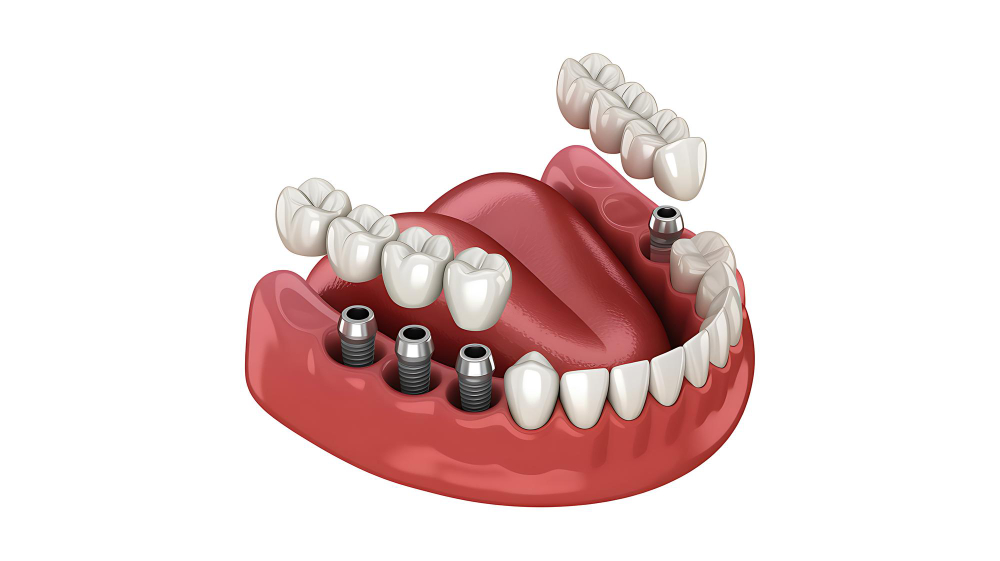
Mutilated dentition due to dental negligence is a serious problem. It happens when teeth are badly damaged or lost because of poor dental care. As a result, people may struggle to eat, speak, or smile with confidence. However, modern treatments like full mouth rehab, crown bridge dental treatment, and immediate function dental implants can help restore severely damaged teeth. In many cities, dental clinics now offer advanced solutions for people facing these challenges.
What Is Mutilated Dentition?
Mutilated dentition means that many teeth are broken, missing, or worn down. Sometimes, the teeth may be so damaged that normal chewing is hard. In many cases, this condition affects both the look and function of the mouth. For example, people may find it hard to eat certain foods or may feel embarrassed to smile. Although this problem can happen for many reasons, dental negligence is a common cause.
Causes: How Dental Negligence Leads to Severe Tooth Damage
Dental negligence means not taking proper care of your teeth and gums. Over time, this can lead to severe tooth damage. For instance, skipping regular dental visits or ignoring early signs of decay can make the problem worse. Additionally, poor brushing and flossing habits can allow plaque to build up. As a result, teeth may become weak or infected.
According to the World Health Organization, poor oral hygiene is a leading cause of tooth loss worldwide.
Recognizing the Signs and Symptoms
Early detection can help prevent further damage. Therefore, it is important to watch for warning signs. If you notice any of the following, you may have mutilated dentition:
Even if symptoms seem mild, early treatment can make a big difference. For this reason, regular dental visits are important.
Diagnosis: How Dentists Assess Mutilated Dentition
First, dentists will ask about your dental history and symptoms. Next, they will examine your mouth and teeth. Often, X-rays are used to check for hidden problems. In some cases, dentists may use special scans to see the bone and roots. With this information, they can decide the best way to restore your teeth. Sometimes, a team of dental experts will work together to plan your treatment.
Full Mouth Rehabilitation: Overview and Goals
Full mouth rehab is a treatment plan to fix all the teeth in your mouth. It aims to restore both function and appearance. Because every person is different, the plan is made just for you. Dentists may use a mix of treatments, such as crowns, bridges, and implants. The main goals are:
With full mouth rehab, many people can enjoy a better quality of life.
Crown Bridge Solutions for Damaged Teeth
Crown bridge dental treatment is a common way to fix damaged or missing teeth. A crown is a cap that covers a broken tooth, making it strong again. On the other hand, a bridge fills the gap left by missing teeth. Dentists use strong materials like ceramic or metal for these treatments. As a result, your teeth can look and work like new. In many cases, crowns and bridges are used together for the best results.
For people with several damaged teeth, crown bridge dental treatment is often part of full mouth rehab.
Implantology with Immediate Function: Modern Dental Implants Explained
Implantology is the use of dental implants to replace missing teeth. A dental implant is a small post placed in the jawbone. It acts like a root for a new tooth. With immediate function dental implants, you can get a new tooth the same day the implant is placed. This means you do not have to wait months for a new smile. Many people choose this option because it is fast and reliable.
However, not everyone is a candidate for immediate function dental implants. Your dentist will check your bone health and overall health first.
Benefits and Risks of Immediate Function Implants
Immediate function dental implants offer many benefits. For example, you can eat and speak normally right away. Also, you do not need to wear removable dentures. In addition, these implants often help protect your jawbone from shrinking. However, there are some risks to consider. Sometimes, the implant may not join with the bone as expected. In rare cases, infection or discomfort may occur.
Therefore, it is important to follow your dentist’s advice for the best results.
Prevention: How to Avoid Mutilated Dentition
Good oral care can help prevent mutilated dentition due to dental negligence. Most dental problems can be avoided with simple habits. For example, brushing and flossing every day removes harmful plaque. In addition, regular dental visits help catch problems early. Here are some prevention tips:
Even small changes can make a big difference over time.
Lifestyle Tips for Long-Term Oral Health
Maintaining healthy teeth and gums is a lifelong effort. Therefore, making smart choices every day is key. For instance, drinking water instead of soda can protect your teeth. Additionally, eating crunchy fruits and vegetables helps clean your mouth. If you smoke, quitting can lower your risk of gum disease. Here are more tips for long-term oral health:
With these habits, you can keep your smile healthy and strong for years to come.