
What Are Pit and Fissure Sealants?
Pit and fissure sealants are thin coatings placed on the chewing surfaces of back teeth. These sealants fill the grooves and pits found on molars. Because these areas are hard to clean, food and germs can get trapped easily. As a result, children are more likely to get cavities in these spots. Dentists use pit and fissure sealants for kids to help protect their teeth from decay. According to the CDC, sealants can reduce the risk of cavities by up to 80% in the first two years after placement.
How Do Sealants Prevent Cavities in Children?
Sealants work as a barrier. They block out food and germs from getting into the tiny grooves of teeth. Since children often miss these areas when brushing, sealants add extra protection. For example, when a sealant covers a molar, it keeps sugar and bacteria away from the tooth’s surface. This helps prevent cavities in children’s teeth. Even though brushing and flossing are important, sealants give added support. The American Dental Association recommends sealants as a safe and effective way to lower cavity risk.
Who Should Get Pit and Fissure Sealants?
Most children and teens benefit from dental sealants. However, some groups need them more than others. Dentists often suggest sealants for:
In some cases, adults without fillings or decay in their molars may also get sealants. Still, sealants are most common in children because their teeth are at higher risk for cavities.
The Procedure: What to Expect
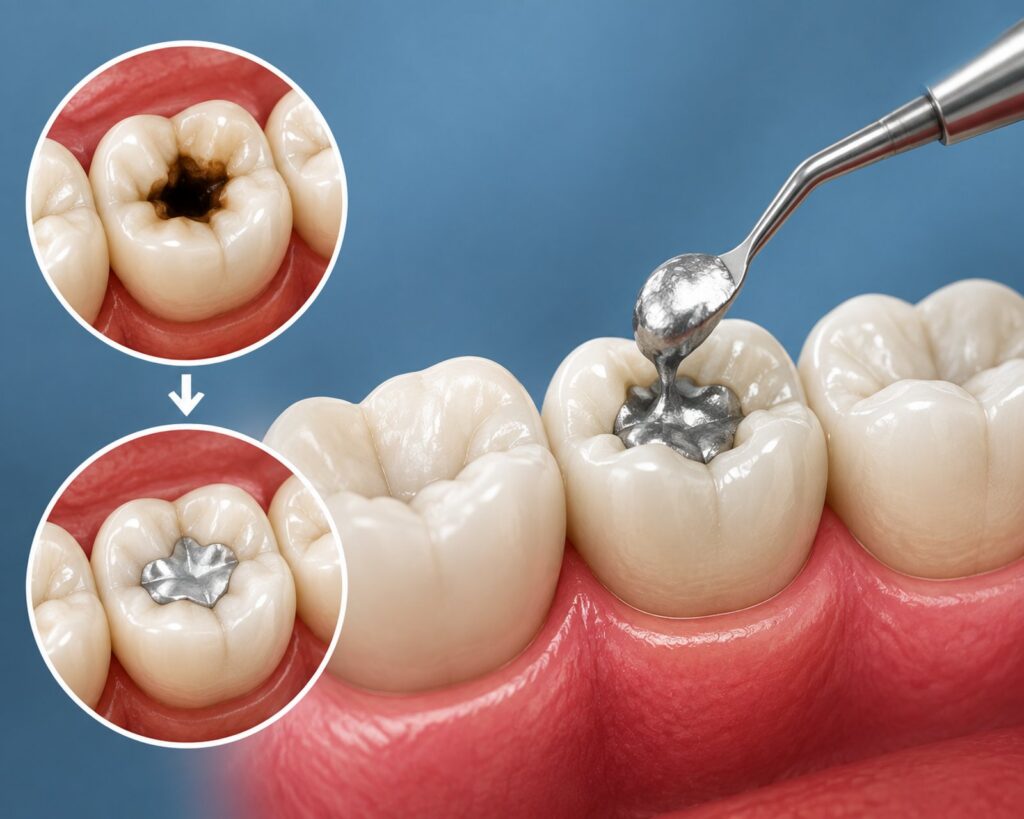
The dental sealant procedure for children is quick and painless. First, the dentist cleans and dries the tooth. Next, a special gel is applied to help the sealant stick. After a few seconds, the gel is rinsed off, and the tooth is dried again. Then, the dentist paints the sealant onto the tooth. Finally, a blue light may be used to harden the sealant. The whole process takes only a few minutes per tooth. Most children can return to normal activities right away.
Benefits and Risks of Sealants
Pit and fissure sealants for kids offer many benefits. For instance, they:
Although sealants are very safe, there are some risks. Rarely, a child may have a mild allergic reaction. Sometimes, a sealant can chip or fall off. If this happens, the dentist can repair or replace it. Overall, the benefits far outweigh the risks for most children.
Aftercare and Maintenance Tips
After getting sealants, children should keep up with regular brushing and flossing. While sealants protect the chewing surfaces, they do not cover the sides of teeth. Therefore, good oral hygiene is still needed. Dentists will check sealants at each dental visit. If a sealant wears down or comes off, it can be reapplied. To help sealants last longer, children should:
With proper care, sealants can protect teeth for many years.
Common Myths About Dental Sealants
Some parents worry about dental sealants for children. However, many concerns are based on myths. For example, some believe sealants contain harmful chemicals. In reality, dental sealants are safe and approved by health authorities. Others think sealants are only for kids with poor oral hygiene. Actually, even children who brush well can benefit. Some also believe sealants are expensive. Yet, they often cost less than treating a cavity. Knowing the facts can help parents make the best choice for their child’s dental health.
Prevention and Oral Hygiene Guidance for Children
Besides sealants, children need good oral care to prevent cavities. For best results, parents should encourage kids to:
Because sealants only protect certain areas, daily care is still important. When children follow these steps, they have a better chance of keeping their teeth healthy and strong.