
Introduction
Dental retainers are special devices that help keep your teeth straight after braces or aligners. After orthodontic treatment, your teeth can move back to their old positions. Because of this, wearing a retainer is very important. The importance of dental retainers cannot be overstated. Retainers after orthodontic treatment help maintain your new smile. In fact, they play a key role in how retainers maintain straight teeth. Without them, all your hard work with braces or aligners could be lost.
What Are Dental Retainers?
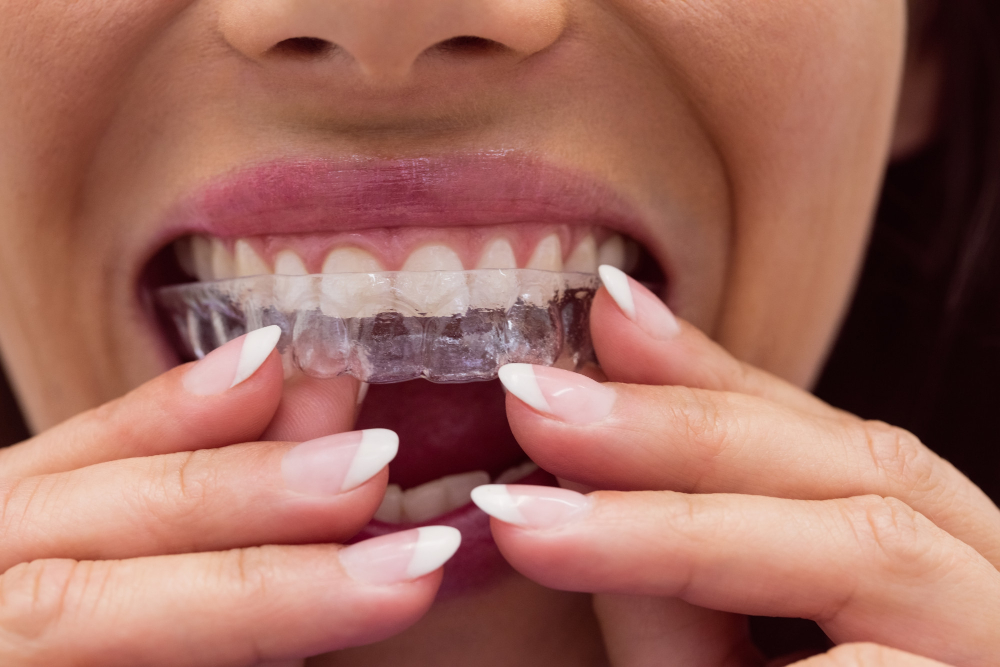
Dental retainers are custom-made devices. They are usually made of plastic or metal. After your braces or aligners come off, your dentist or orthodontist gives you a retainer. This device fits over your teeth. Its main job is to keep your teeth in their new, straight positions. While some retainers are removable, others are fixed in place. Either way, they are a key part of orthodontic care.
Why Are Retainers Needed After Braces or Aligners?
After braces or aligners, your teeth are not fully set in their new spots. Because the bone and gums need time to adjust, teeth can shift back. This is called relapse. However, wearing a retainer stops this from happening. In addition, retainers help your bite stay correct. They also protect your investment in orthodontic care. According to the American Dental Association (ADA), retainers are essential for teeth shifting prevention.
Types of Dental Retainers
There are several types of dental retainers. Each has its own benefits. Your dentist or orthodontist will suggest the best one for you. The main types include:
Each type helps with retainer maintenance and teeth shifting prevention.
How Retainers Work to Maintain Your Smile
Retainers work by holding your teeth in their new positions. After braces or aligners, your teeth need time to settle. Because the bone around your teeth is still soft, teeth can move. However, a retainer keeps them steady. Over time, the bone hardens and your teeth become stable. This is why wearing your retainer as directed is so important. In many cases, you may need to wear it every night for life.
Tips for Caring for Your Retainer
Proper retainer maintenance keeps your device clean and working well. Here are some tips:
With good care, your retainer will last longer and keep your smile straight.
Common Myths About Retainers
There are many myths about retainers. Let’s clear up a few:
Knowing the truth helps you avoid mistakes with retainer use.
What Happens If You Don’t Wear Your Retainer?
If you skip wearing your retainer, your teeth may move back. This is called relapse. Even missing a few nights can cause small shifts. Over time, these changes can undo your orthodontic treatment. You might need braces or aligners again. Therefore, always follow your dentist’s advice about retainer use. Consistent wear is the best way to prevent teeth shifting.
When to Consult Your Dentist or Orthodontist
Sometimes, you may have questions about your retainer. For example, if your retainer feels loose or broken, contact your dentist or orthodontist. Also, if you lose your retainer, get a replacement quickly. In addition, regular check-ups help ensure your retainer still fits well. If you live in a specific area, search for “dental retainers in [Your City]” for local help. Your dental team can guide you on retainer maintenance and care.
Conclusion
Dental retainers are a key part of keeping your teeth straight after braces or aligners. They prevent teeth from shifting and protect your smile. For the best results, wear your retainer as directed and care for it properly. If you have any concerns, consult your dentist or orthodontist for personalized advice on dental retainers.