
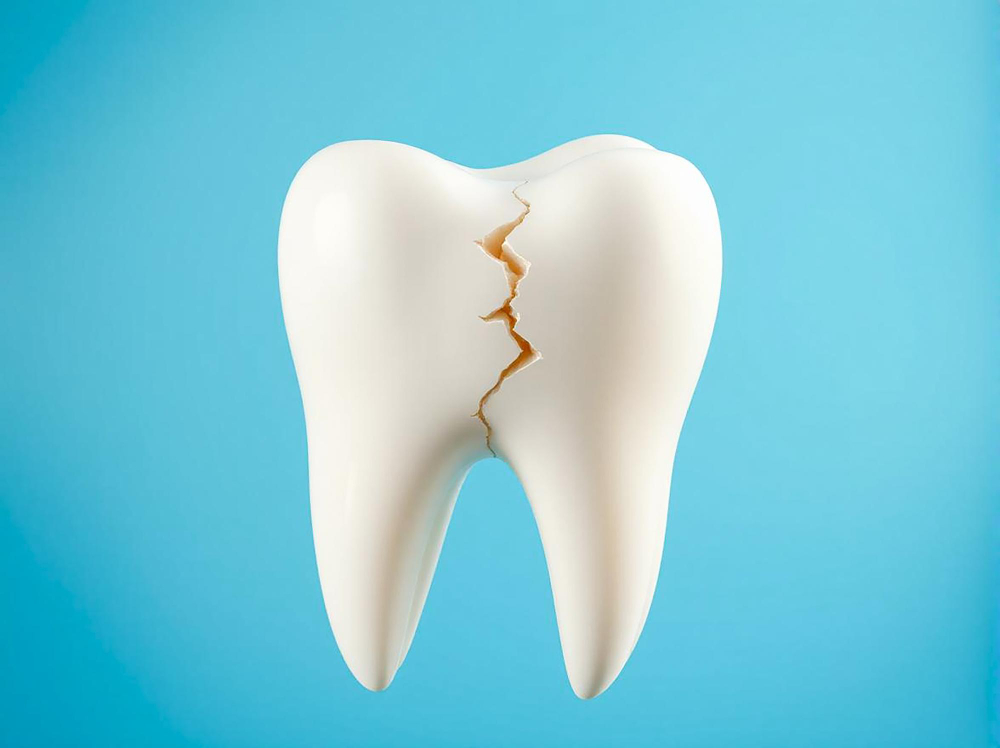
Tooth fracture & emergency first aid are important topics for anyone who plays sports or faces accidents. A tooth fracture means your tooth is cracked, chipped, or broken. This can happen after a sports injury, a fall, or an accident. Often, people wonder about emergency dental care, broken tooth first aid, and what to do after tooth injury. Quick action can help save your tooth and prevent more problems.
What Is a Tooth Fracture?
A tooth fracture is a break or crack in your tooth. Sometimes, the damage is small. Other times, it can be severe. There are different types of tooth fractures:
Common Causes: Sports Injuries, Falls, and Accidents
Many tooth fractures happen during sports, falls, or accidents. For example, a ball or elbow can hit your mouth during a game. Sometimes, slipping on a wet floor or falling off a bike can also break a tooth. In car accidents, sudden force can cause teeth to crack or break. Because these events happen quickly, knowing what to do after tooth injury is important.
Symptoms of a Tooth Fracture
How do you know if you have a tooth fracture? Look for these signs:
Immediate First Aid Steps
If you or someone else has a tooth fracture, act fast. Here is a step-by-step guide for broken tooth first aid:
When to Seek Emergency Dental Care
Sometimes, a tooth fracture is a true emergency. You should seek emergency dental care if:
In these cases, quick treatment can help save your tooth and prevent infection. According to the American Dental Association, seeing a dentist within 30 minutes can improve the chances of saving a knocked-out tooth.
Prevention Tips for Tooth Fractures
While accidents can happen, you can lower your risk of tooth fractures. Here are some tips:
Frequently Asked Questions
Can a broken tooth heal on its own?
No, a broken tooth cannot heal by itself. You need dental care to fix the damage and prevent infection.
What should I do if my child breaks a tooth?
First, stay calm. Rinse their mouth with water. Save any broken pieces. Apply a cold pack and see a dentist right away.
Is it safe to wait before seeing a dentist?
It is best to see a dentist as soon as possible. Waiting can lead to more pain, infection, or even tooth loss.
Conclusion & Call-to-Action
To sum up, tooth fractures can happen to anyone after a sports injury, fall, or accident. Quick first aid and emergency dental care are key to saving your tooth. If you or someone you know has a tooth injury, consult a dentist immediately for personalized treatment and to prevent complications.
Sources: American Dental Association, CDC, WHO