
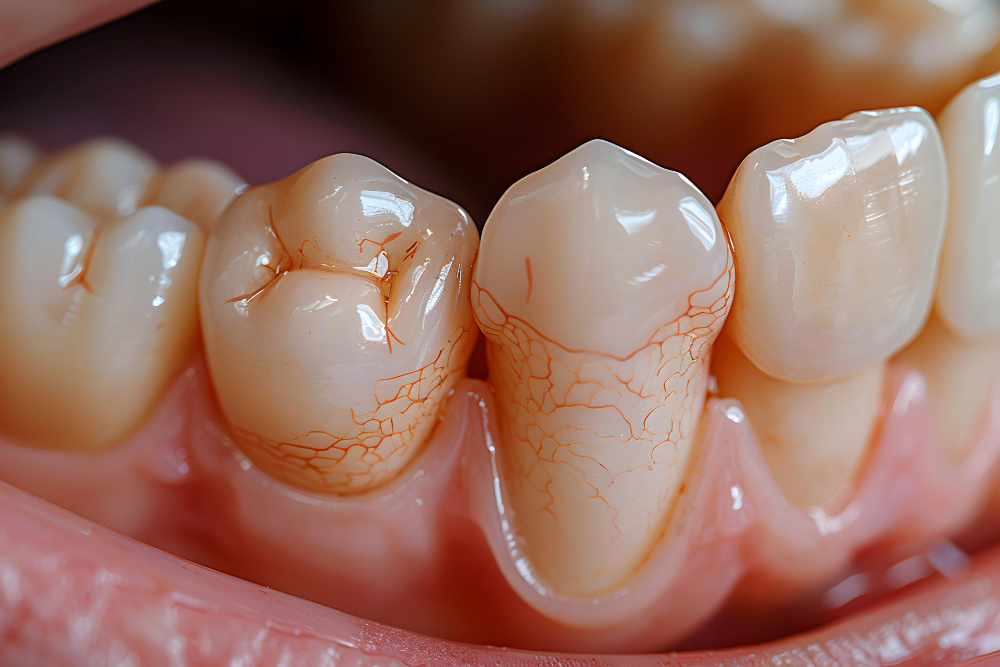
What Is Tooth Wear and Damage?
Tooth wear and damage happen when your teeth lose their shape or strength. Over time, teeth can become weak, chipped, or thin. Sometimes, the surface of the tooth gets worn down. In other cases, teeth may crack or break. As a result, you might feel pain or notice changes in your smile. Tooth wear and damage can affect people of all ages. However, it is more common as we get older. Dentists often use the terms tooth erosion, abrasion, and attrition to describe different types of wear. Each type has its own cause and effect on your dental health.
Common Causes of Tooth Wear and Damage
Many things can lead to tooth wear and damage. For example, daily habits and health problems both play a role. Understanding these causes can help you protect your teeth. Some common reasons include:
Because these causes are common, it is important to pay attention to your dental care routine.
Symptoms to Watch For
Early signs of tooth wear and damage are often easy to miss. Still, noticing changes can help you get care sooner. Watch for these symptoms:
If you notice any of these signs, you should see your dentist. Early treatment can prevent further dental damage.
How Dentists Diagnose Tooth Wear and Damage
First, your dentist will ask about your dental history and symptoms. Next, they will examine your teeth and gums. They may use special tools to check for weak spots or cracks. Sometimes, X-rays help spot hidden damage. Dentists also look for signs of tooth erosion or grinding. In some cases, they may ask about your diet or habits. By gathering this information, your dentist can find the cause and suggest the right treatment. Regular dental checkups are key for early diagnosis.
Dental Restoration: When Is It Needed?
Not all tooth wear and damage need dental restoration. However, if the damage affects your bite, causes pain, or changes your smile, treatment may be needed. For example, you might need dental restoration if:
In many cities, dental restoration in your area can help restore both function and appearance. Your dentist will help you decide if and when you need treatment.
Types of Dental Restorations
There are several ways to repair tooth wear and dental damage. The right option depends on how much damage there is. Some common types of dental restorations include:
Because each case is unique, your dentist will recommend the best option for you.
Prevention and Oral Care Tips
Good dental care can help prevent tooth wear and damage. Even small changes in your routine can make a big difference. Try these tips:
With these habits, you can protect your teeth and reduce the risk of dental damage. According to the CDC, regular dental visits are important for keeping your mouth healthy.